
Why Does My Home Feel So Heavy?

Updated: May 5
If your home feels heavy, uncomfortable, or unsettled, there is usually a deeper reason behind it.
You can read a full explanation of the causes here:Why Does My Home Feel Heavy or Unsettled
What is Stagnant Energy?
Stagnant energy in a home refers to environmental conditions that feel blocked, heavy, or unsettled. Instead of a space feeling open, calm, and supportive, it may feel tense, draining, or uncomfortable — even when everything looks physically fine.
You can think of it like airflow in a house. When air circulates freely, the environment feels fresh. When it becomes trapped or stale, the space begins to feel heavy. The same concept applies to the emotional and environmental atmosphere of a home.
Stagnant energy is not always dramatic. Often, it builds gradually and can be influenced by both physical factors (clutter, poor light, unused rooms) and non-physical influences (emotional stress, conflict, major life events, or previous occupants).
Over time, these influences may create a home that feels blocked, tense, or difficult to relax in — even though there is no visible problem.
If this sounds familiar, you may also notice your house feels off in subtle ways.
House Feels Off article
Common Causes Of Stagnant Energy

1. Physical Clutter & Disorganization
Physical surroundings have a direct impact on how a home feels.
• Accumulation of unused items – Holding onto belongings that no longer serve a purpose can create visual and psychological congestion.• Unfinished projects – Incomplete tasks can subtly reinforce a sense of being stuck or lacking closure.• Broken or damaged items – Items in disrepair may contribute to a subconscious feeling of stagnation.•
Cramped or chaotic storage – Overfilled closets and drawers restrict physical flow.• Dirty or neglected areas – Poor maintenance often correlates with a heavier atmosphere.
Even small, persistent clutter can influence the overall tone of a space.
2. Emotional Residue
Homes absorb experiences.
Arguments, grief, prolonged stress, or major life transitions can leave a lasting emotional imprint.

Common examples include:
• Past conflicts between family members
• Trauma or sudden loss
• Ongoing tension or unresolved issues
• Replaying negative memories within the space
Over time, repeated emotional intensity may contribute to a home feeling heavy or unsettled.
3. Environmental Factors
Certain physical conditions can influence how a home feels:
• Poor ventilation and limited natural light
• Excessive electronic exposure (EMFs)
• Underground water veins or geological stress patterns (a debated but longstanding consideration in certain traditions)
Sometimes the change is subtle. Homeowners may simply notice that the energy of the home feels different or unsettled, even if nothing obvious has changed. In other situations, people are surprised to discover that even beautiful homes can carry lingering energy patterns that affect how the space feels.
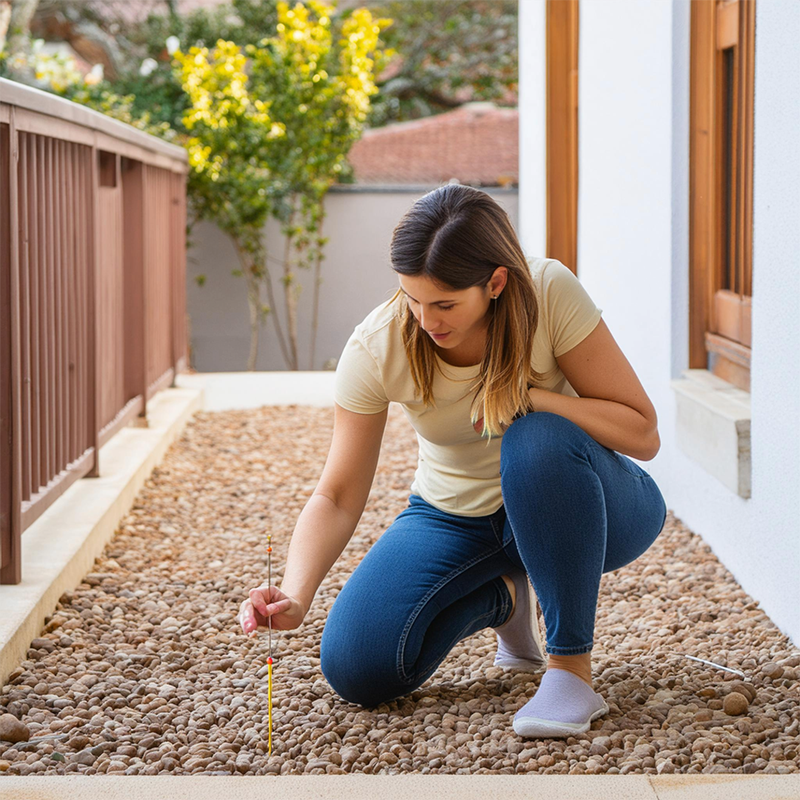
Some practitioners evaluate environmental stress patterns using structured methods such as map dowsing.
When a home continues to feel heavy or unsettled, many homeowners begin exploring ways to remove negative energy from their home and restore balance to the environment.
4. History of the Space
Previous occupants and the history of the land may influence the emotional tone of a property.
• Homes where significant trauma occurred
• Properties with repeated conflict
• Land with historical disturbance
While not scientifically measurable in conventional terms, many homeowners report noticeable differences after moving into previously occupied spaces.
5. Personal Habits & Lifestyle Patterns
The energy of a home often mirrors the habits of those living in it.
• Chronic stress or negative thought patterns
• Lack of self-care
• Isolation or prolonged tension
A home does not exist separately from its occupants.
6. External Influences
• Regular exposure to draining individuals
• Financial or work stress carried into the home
• Ongoing life instability
Over time, these pressures may contribute to a space feeling heavy or blocked.

How Does Stagnant Energy Affect You?
When a home feels energetically unsettled, people often report:
Emotional Effects
• Irritability
• Anxiety
• Emotional fatigue
• Heightened stress
Mental Effects
• Brain fog
• Difficulty concentrating
• Lack of creativity
Physical Effects
• Poor sleep
• Persistent fatigue
• Feeling unwell without clear explanation
Relationship Strain
• Increased conflict
• Communication breakdown
• Feeling disconnected
A Sense of Being “Stuck”
• Blocked opportunities
• Financial stagnation
• Repeating patterns
Not every issue is energetic — but when patterns persist without clear cause, environmental factors may be worth exploring.
Signs Your Home May Feel Energetically Heavy
• A specific room feels uncomfortable
• You sleep poorly despite good habits
• Frequent arguments occur in one area
• The space feels cold or tense
• Clutter never seems to resolve
• You feel drained immediately upon entering
Important Perspective
While the concept of stagnant energy is not scientifically measurable in conventional terms, the connection between environment and well-being is widely acknowledged. Clean, organized, and well-maintained spaces are consistently associated with improved mood and clarity.
Professional spiritual house cleansing builds on this foundation by addressing both visible and subtle environmental influences.
In some situations the source of the disturbance is not immediately obvious, which is when Understanding Remote House Energy Clearing can help identify and address deeper energetic patterns affecting the home and land.
If this experience continues over time, understanding the underlying cause is the first step.
Learn more here:Why Does My Home Feel Heavy or Unsettled
If you’re not sure what’s causing this, start here.
For clients outside our local area, this work can also be done through structured remote house cleansing.
Related Articles
• Even Beautiful Homes Can Have Bad Energy and Need Feng Shui House Cleansing• When a Home’s Energy Feels Off
About the Author Sharon is a remote house cleansing practitioner based in Oregon who works with clients nationwide. She specializes in BaZi House Blueprint diagnostics, Land & Space Clearing, and Real Estate Spiritual House Cleansing. Her work focuses on identifying the root energetic patterns within homes and properties and restoring balance through precise, remote energetic methods.

Comments